


Signed Jewelry: What to Know Before You Buy this Fall
Signed jewelry has long held a special place in the world of fine jewelry. A recognizable designer name can add history and craftsmanship to a piece. Plus, their collectability, and desirability make signed jewelry particularly appealing to estate jewelry collectors. For Fall 2026, the renewed interest in vintage, heirloom-inspired, and personality-driven jewelry makes signed pieces especially relevant. Fashion coverage this season is highlighting vintage-inspired brooches, statement jewelry, pearls, bold rings, and accessories with character, all of which complement the individuality found in signed estate jewelry.
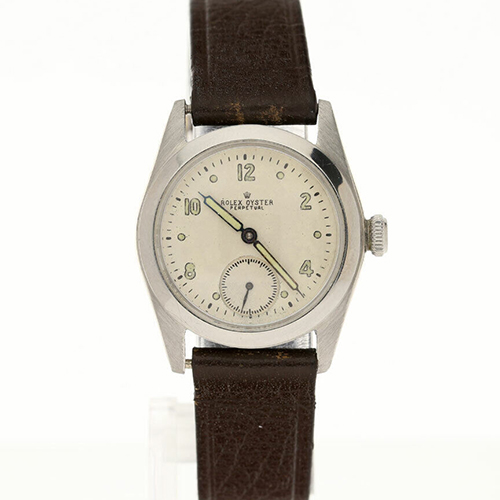
If you’re looking to purchase a signed piece, it is important to know what you are buying. A designer signature can add value, but the signature alone does not guarantee authenticity. Understanding hallmarks, materials, construction, markings, and the designer’s known characteristics can help you make a more informed purchase.
What Is Signed Jewelry?
Signed jewelry is a piece that carries the name, logo, maker’s mark, or other identifying designation of the jewelry house or designer who created it. Some of the most recognized names include Cartier, Tiffany & Co., Van Cleef & Arpels, David Yurman, Bulgari, Harry Winston, David Webb, Georg Jensen, and many others.
The term “signed” does not necessarily mean that every component of the piece was manufactured by the designer. It means that the piece bears a maker’s mark associated with that house or designer. Because markings can vary according to the period, collection, country of manufacture, and production method, authentication requires more than simply finding a familiar name.
Why Signed Jewelry Is Especially Appealing in Fall 2026
One of the defining directions for Fall 2026 is a move toward jewelry with personality. Rather than relying solely on understated, minimalist pieces, current styling is embracing distinctive brooches, statement rings, bold necklaces, pearls, and vintage-inspired accessories.
That makes signed estate jewelry particularly compelling. A vintage Cartier bracelet, a David Yurman ring, a Tiffany & Co. pendant, or a distinctive designer brooch can provide both a connection to jewelry history and a strong individual point of view.
Estate and vintage jewelry are also benefiting from broader interest in “new-to-you” pieces. Industry publication JCK identified antique and vintage jewelry as a significant area of interest heading into 2026, noting increased investment in estate collections and growing consumer fascination with vintage jewelry.
Start With the Hallmark
One of the first things to examine on a signed piece is its hallmark. The hallmark may identify the designer, manufacturer, metal purity, country of origin, or other information about the piece.
For example, common precious-metal markings include .925 for sterling silver, .585 for 14K gold, .750 for 18K gold, and .950 for platinum. These markings help establish the metal content, but they should be considered together with the maker’s mark and the overall construction of the piece.
The location of a hallmark can vary. On rings, look inside the shank. On pendants, examine the back or bail. On bracelets and necklaces, inspect the clasp and nearby links. A professional examination is particularly important when markings are worn, difficult to read, or inconsistent with the design.
A Signature Does Not Guarantee Authenticity
One of the most important things to remember when purchasing signed jewelry is that a designer’s name can be reproduced. Counterfeit pieces may carry copied signatures, hallmarks, logos, or serial numbers.
Authenticating a piece involves looking at the entire item. The metal, gemstones, weight, dimensions, construction, finishing, engraving, clasp, hallmarks, and design details should be consistent with the designer and the period in which the piece was supposedly made.
Serial numbers can also provide useful information, particularly on newer or higher-value pieces, but not every signed jewelry item has one. The absence of a serial number does not automatically mean a piece is counterfeit.
Compare the Piece with the Designer’s Known Specifications
When evaluating signed jewelry, compare the piece with reliable information about the designer’s actual work. Pay attention to proportions, materials, gemstone quality, metal purity, signature placement, clasp design, engraving, and other construction details.
For older pieces, remember that designs and markings can change over time. A hallmark that looks different from a modern example is not necessarily a warning sign. Jewelry from different production periods can have legitimate variations.
Documentation Can Add Confidence
Original receipts, certificates, boxes, paperwork, previous appraisals, and other documentation can provide valuable information about provenance and authenticity. They can be particularly useful with high-value designer jewelry and watches.
However, documentation itself should also be evaluated. A box or certificate does not independently prove that a particular piece is authentic. The jewelry should still be examined on its own characteristics.
Why Estate Signed Jewelry Can Be a Smart Choice
Buying pre-owned signed jewelry can give shoppers access to discontinued designs, vintage collections, limited-production pieces, and styles that are no longer available through traditional retail. It can also provide an opportunity to acquire a recognizable designer at a price different from comparable new jewelry.
Most importantly, estate jewelry offers individuality. Many signed vintage pieces were produced decades ago and are no longer widely available, making them an appealing choice for collectors who want something distinctive rather than mass-produced.
When shopping for signed jewelry, look beyond the name. Consider the authenticity, materials, craftsmanship, condition, provenance, and overall desirability of the piece. A professional evaluation and detailed listing can provide important information before you make a purchase.
Shop Signed Estate Jewelry with Confidence
At Adina by Empire Jewelers< https://www.ebay.com/str/empirejewelers>, we specialize in bringing together fine antique, vintage, and estate jewelry, including signed and designer pieces. Our selection changes frequently, giving collectors and jewelry lovers the opportunity to discover distinctive pieces from renowned houses and designers.
With more than 43,000 items sold and 100% positive feedback, Adina by Empire Jewelers offers an easy online shopping experience backed by an established history of serving jewelry buyers. Explore our collection of signed, antique, vintage, and estate jewelry and discover a piece with its own story and character.
Shop Adina by Empire Jewelers< https://www.ebay.com/str/empirejewelers> on eBay and discover one-of-a-kind estate jewelry at exceptional prices.
Sources
- Empire Pawn of Nassau: Signed Jewelry: How to Tell Real vs. Replica
- GIA: Ten Tips for Buying Jewelry
- GIA: Analysis & Grading Services
- ELLE: The Only Jewelry Trends You Need to Finish Your Outfits This Fall
- Cosmopolitan: This Fall’s Jewelry Trends Are All About Personality-Maxxing
- Vogue: Fall 2026 Accessory Trends
- British Vogue: The 5 Major Jewellery Trends the Experts Are Backing for 2026
- How to Buy Vintage Jewelry: How to Buy Signed Designer Jewelry